






Choosing the best trampoline for kids can feel confusing at first. You want something fun for exercise and outdoor play, but also safe enough for everyday jumping in your yard.
Many parents read the best trampolines reviews and compare different top-rated trampoline brands before choosing a trampoline for their yard. Designs like springless trampolines, enclosure nets, and strong steel frame construction can help reduce common trampoline injury risks while giving kids plenty of room to jump.
In this guide, you’ll learn what makes a trampoline safer, how shapes affect bounce, and how to choose the right Springfree trampoline for your backyard.
What Makes a Good-Quality Trampoline for Kids?
The best trampoline for kids starts with safety and strong construction. Parents looking for a good quality trampoline often focus on frame strength, enclosure systems, and durable materials that hold up during everyday backyard play.
One thing many parents look for is compliance with ASTM International safety standards. ASTM is an organization that develops safety guidelines used across many industries, including backyard trampolines. These standards cover areas like frame strength, enclosure systems, padding coverage, and overall trampoline design to help reduce injuries during normal use.
Several features help make a trampoline safer and more durable:
- Stable frame construction. Many top-rated trampolines use a steel frame that keeps the structure stable during jumping. A strong frame also helps the trampoline handle changing weather in your yard.
- Foam padding for edge protection. Thick foam padding covers the frame area and softens contact if kids land near the edge of the jumping mat.
- Enclosure net systems. A secure enclosure net surrounds the jumping surface and helps keep kids inside the trampoline while they bounce.
- Durable outdoor materials. Trampolines built for outdoor use are designed to hold up through wind, sun exposure, and regular backyard play.
These features work together to create a trampoline that feels stable, secure, and ready for years of use.
If you’re comparing models and sizes, learning how to choose a trampoline can help you narrow down the right shape, size, and safety features before making a decision.
Springfree Trampoline Safety Features That Matter

Safety often comes down to how the trampoline is built. Many trampoline injuries happen when kids land near the edge, hit the frame, or get too close to exposed springs.
Springfree trampolines approach safety a little differently by changing how the structure works. Instead of adding more padding around springs, the design removes the springs altogether and shifts key parts of the frame out of the jumping area.
Springfree is also an active member of the ASTM Trampoline Standards Committee, which helps develop and review trampoline safety guidelines used across the industry.
Some design features that help reduce common trampoline injury risks include:
- FlexiNet™ enclosure system. A flexible enclosure net surrounds the jumping surface and gently guides jumpers back toward the center instead of letting them fall outward.
- SoftEdge™ jumping mat. The mat absorbs impact around the edge of the jumping surface and removes hard contact points that are common on traditional trampolines.
- Springless rods instead of metal springs. Flexible composite rods sit beneath the jumping surface, removing exposed springs and reducing pinch points where feet or hands could get caught.
- Hidden frame design. The metal frame sits below the jumping mat instead of around the edge, which lowers the chance of landing directly on the frame.
These design changes help create a trampoline surface where more of the jumping area is usable and protected. For families comparing options, understanding what makes the safest trampoline for kids often starts with looking closely at how the trampoline frame, mat, and enclosure system work together.
Choosing the Best Backyard Trampoline for Your Yard
The best backyard trampoline isn’t only about the model you pick. It also depends on how well it fits your yard, how much space you leave around it, and how stable the setup will be during everyday use.
Before installing a trampoline, a few backyard factors can make a big difference in safety and long-term use.
Measure Your Backyard Space First

Start by measuring the open area where the trampoline will go. The frame size is only part of the space needed because the enclosure net and safety clearance add extra width around the trampoline.
For example, a 10 ft or 13 ft trampoline may need several additional feet of clearance on each side so kids can jump safely without hitting fences, trees, or patio furniture.
Plan for Safe Yard Clearance
A trampoline should sit in a clear part of the yard with enough space around it. Good clearance reduces the chance of a jumper bouncing too close to obstacles.
Try to keep the trampoline away from:
- fences
- tree branches
- sheds or playsets
- hard surfaces like concrete patios
This helps create a safer jumping area for everyday backyard play.
Check Trampoline Weight Limits
Every trampoline has a recommended weight capacity. This helps the frame, jumping mat, and enclosure net perform properly during use.
Larger models with strong steel frame construction can support higher jumper weight and are often a better fit for families with multiple kids jumping at the same time.
Think About Wind and Stability
Wind can affect trampolines in open yards. Strong gusts may shift or tip lighter frames if they are not secured properly.
Using anchors or placing the trampoline in a slightly sheltered area can help keep the structure stable during windy conditions.
Some families prefer having the frame assembled and secured by professional trampoline installation, which helps confirm the trampoline is leveled, anchored, and ready for safe use.
A Quick Trampoline Review: Round vs. Oval vs. Square Trampolines
When reading a trampoline review, you’ll often see how trampoline shape affects bounce style and movement across the jumping mat. Some shapes guide jumpers toward the center, while others spread the bounce across a longer or wider jumping area.
Understanding these differences helps you pick the best trampoline for kids based on backyard space, number of jumpers, and how the trampoline will be used.
Round Trampolines

Round trampolines create a centered bounce pattern. The springs or rods pull the mat evenly toward the middle, which gently guides jumpers back to the center after each jump.
This design can help reduce the chance of landing too close to the edge. Because of that centered movement, round models are often a comfortable starting point for younger jumpers and are widely considered one of the best backyard trampolines for casual family play.
Round shapes also fit well in many yards because the footprint is compact and easy to place.
Oval Trampolines

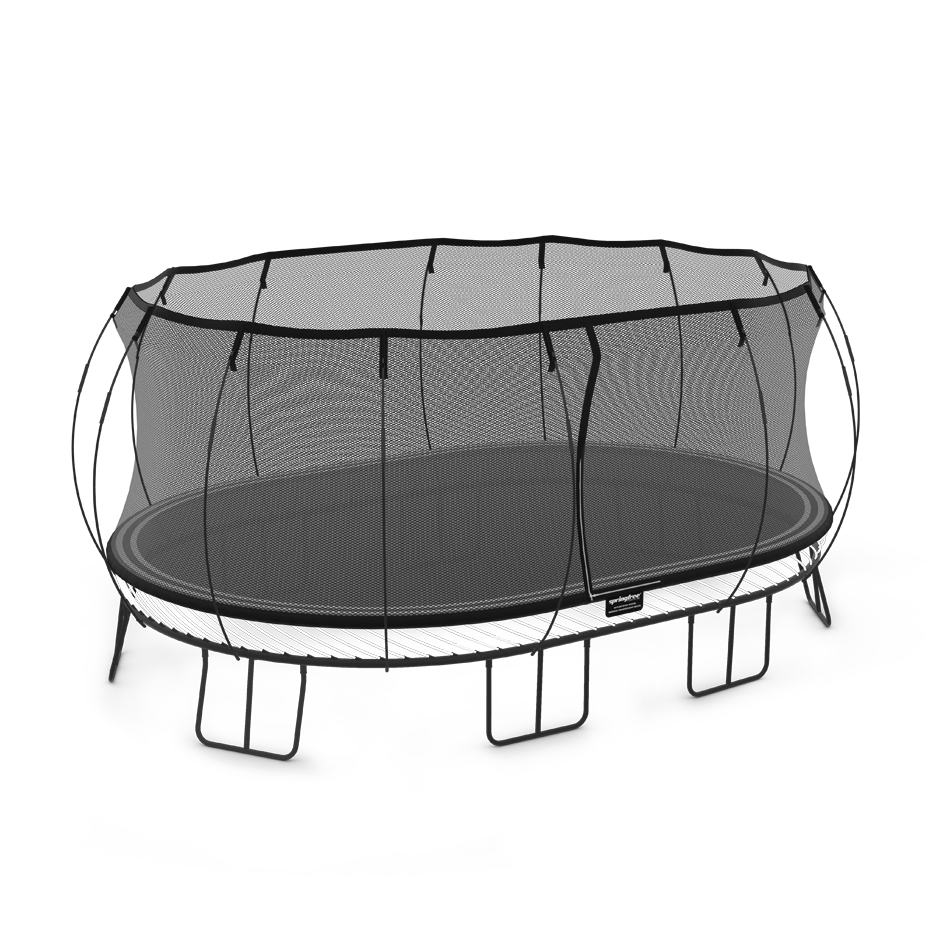
Oval trampolines stretch the jumping surface into a longer shape. Instead of concentrating the bounce in a single center point, the energy spreads along the length of the mat.
This gives jumpers more room to move forward and backward while still maintaining a controlled bounce. Families with multiple kids often like oval trampolines because the jumping area feels more open compared with a round design.
Oval shapes can also work well in narrow yards where a longer layout fits better than a wide circular frame.
Square or Rectangle Trampolines

Square and rectangle trampolines distribute tension more evenly across the entire mat. This creates a consistent bounce from corner to corner instead of pulling jumpers back to the center like round designs.
Because the bounce stays strong across more of the surface, jumpers can move freely across the mat without losing lift. This is why rectangle trampolines are commonly used in gymnastics training, where athletes need predictable rebound for controlled jumps and skills.
Square trampolines behave similarly but with a slightly more balanced layout. They often fit better in backyards where a rectangle might feel too long, while still offering a wide and stable jumping surface.
If you're comparing shapes for your yard, a round vs rectangle trampoline comparison can help you see how bounce style and space can influence your decision.
Which Trampoline Shape Fits You?
Age and household size can help you choose the right trampoline shape and size. Younger children usually need a controlled bounce and a smaller jumping area, while older kids often want more room to move and jump.
Thinking about how kids will use the trampoline as they grow can help you choose a trampoline that fits your yard and lasts for years of outdoor play.
Best Trampolines for Families with Toddlers
Smaller trampolines are easier for young kids to control while learning how to jump.
- Smaller trampolines are easier for young kids to control while learning how to jump.
- A secure enclosure net helps keep jumpers inside the trampoline area.
- Foam padding around the edge can reduce the risk of trampoline injury during early jumping.
- Compact sizes like a 7-foot trampoline are often easier for younger children to manage.
Best Trampoline for Teens and Growing Kids
Older kids and teens usually want more room to move and jump.
- Larger trampolines create more room for movement and higher jumps.
- Bigger jumping surfaces work well for active play and light gymnastics-style movement.
- Higher weight limits allow older kids and teens to continue using the trampoline for outdoor exercise and play.
Accessories That Make Outdoor Trampolines Safer and More Fun
A trampoline already creates a fun place for kids to jump, play, and stay active. But a few accessories can make your best outdoor trampoline setup safer, easier to use, and more enjoyable over time.
Some add-ons improve stability, while others help younger kids get on and off the trampoline more safely. There are also accessories that turn jumping into games and active play.
- Ground Anchor Kit. Wind can move a trampoline if it isn’t secured properly. Anchoring the frame helps keep the trampoline stable in the yard and adds extra safety during windy conditions.
- FlexrStep™. Entry steps make it easier for kids to climb onto the trampoline without pulling themselves over the frame. This can help younger jumpers get on and off the trampoline more safely.
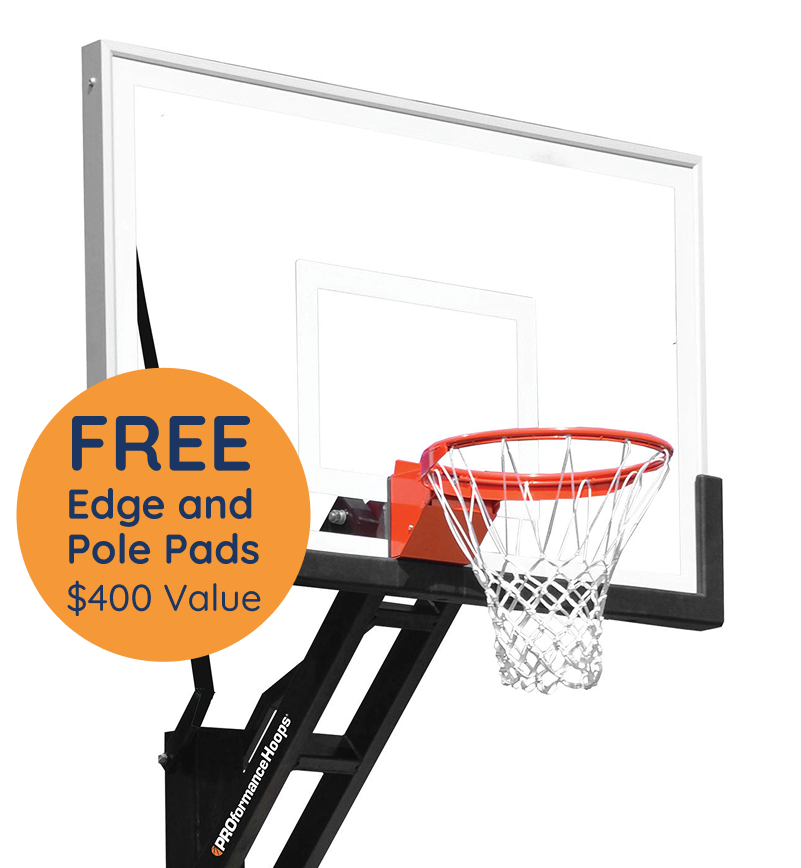
- FlexrHoop™. Basketball hoop attachments turn jumping time into a simple game. Kids can bounce, shoot, and dunk while still getting outdoor exercise.
If you want to add more features later, you can explore different trampoline accessories that improve safety, stability, and backyard play.
Find the Best Trampoline for Your Backyard
Choosing the best trampoline for kids often comes down to a few simple factors. Safety features help reduce trampoline injury risk, the shape affects how the bounce feels, and the size should fit comfortably in your yard.
Springless designs, enclosure nets, foam padding, and strong steel frames can create a safer backyard trampoline that kids can enjoy for years. Families often compare top-rated trampoline brands before making a final decision, especially when safety and durability are the top priorities.
If you’d like to see the trampolines in person, you can visit a Recreations Outlet store near you or browse available models online to find the right trampoline for your backyard.